

Enterprise collaboration is all about creating a connected organization where information flows freely, insights are accessible, and people can work together without barriers. Technology provides the foundation, enabling communication, knowledge sharing, and teamwork across offices, regions, and remote locations. In an increasingly distributed workplace, ensuring those connections remain seamless has become a strategic priority for organizations of every size
The Rising Costs of Enterprise Collaboration
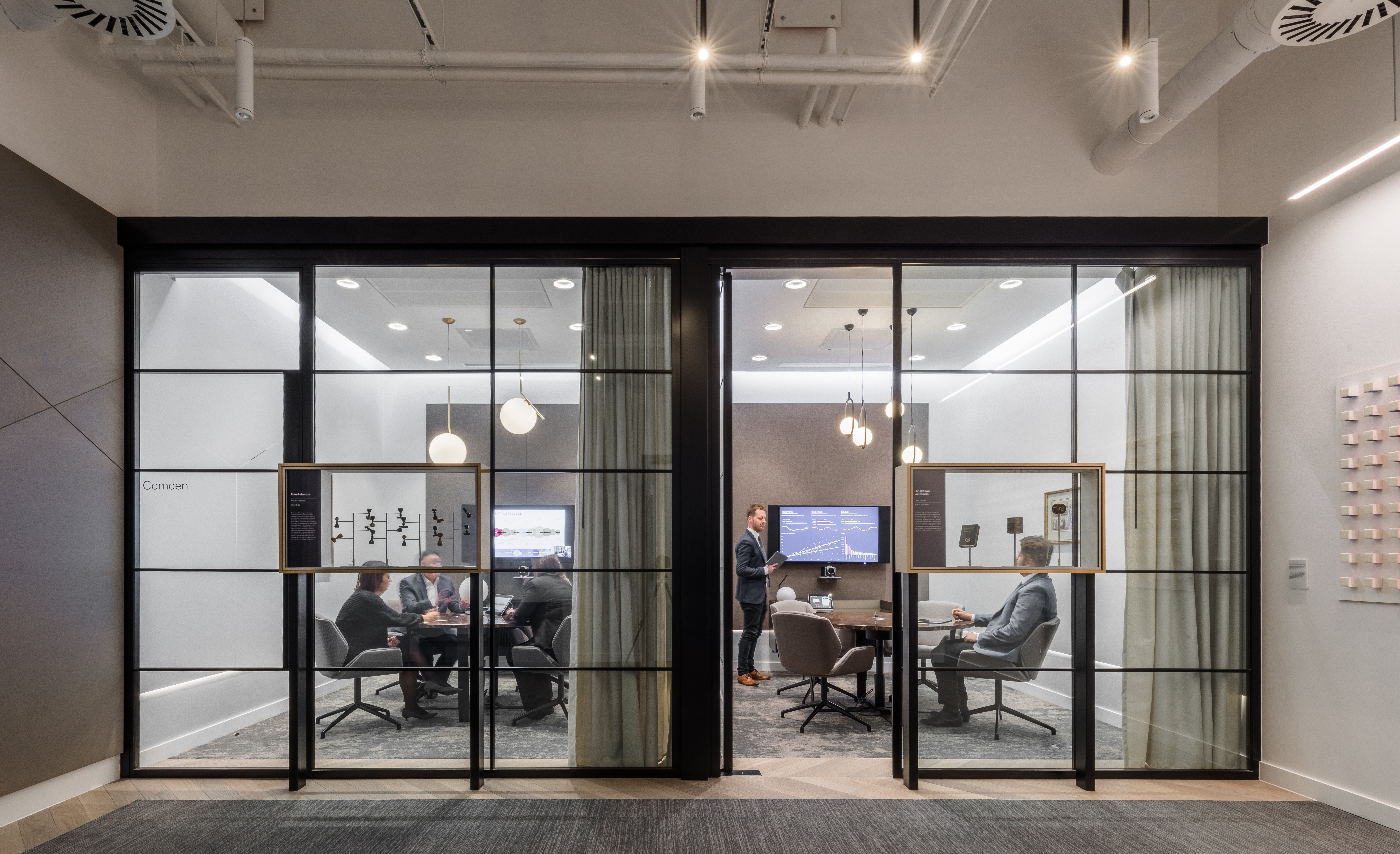
One of the biggest initial costs associated with enterprise collaboration, if you are planning on using in-house resources, is the infrastructure itself. You’ll need to spend time researching and procuring the hardware and software necessary to connect the different departments of your business.
You’ll also have to invest in things like meeting room systems, collaboration platforms, and reliable connectivity, to name just a few. That technology must be properly deployed and maintained. Every employee needs to be able to access the tools they need, sometimes remotely. In some situations, this will mean providing them with workstations and other devices.
But infrastructure-related expenses and the upfront capital investment necessary to enable enterprise collaboration are only part of the total cost of ownership. Support, software subscriptions, and equipment replacement also need to be budgeted for.
Of course, things don’t stop there. You’ll also need to account for ongoing, and often unpredictable, costs including:
- Help desk support: Especially with an infrastructure this complex, employees will run into issues. A help desk needs to be in place to address them quickly to keep everyone as productive as possible.
- Security: Collaboration systems need secure configuration, appropriate access controls, and regular updates. These tasks take time and resources and should be coordinated with your IT and security teams.
- Scaling: As your business continues to grow and evolve, your technology needs to be able to do the same. When you bring new employees into the team, that may mean acquiring new resources and expanding what you’ve already built.
How can managed services reduce collaboration costs?
The costs of collaboration are a challenge for many businesses, especially those supporting multiple locations. Managed service providers (MSPs) can help make these costs more predictable and reduce the day-to-day support burden on internal teams.
An MSP is a third-party organization that manages agreed technology systems and services. For enterprise collaboration, that can include audio-visual (AV) systems, meeting rooms, and collaboration platforms. Based on what they learn about your business and its needs, an MSP can provide monitoring and support that help keep those systems reliable and easy to use.
These AV managed services can help you get more value from your existing technology through ongoing maintenance and lifecycle planning.
Reducing infrastructure costs
When you manage everything in-house, all elements of your collaboration infrastructure fall under your remit. If you need to expand your meeting room capabilities, you must research, purchase, install, and maintain the right equipment. If you run into widespread problems, it’s up to you to fix them. If you need to add resources, the responsibility is yours. Unplanned repairs and replacements can make these costs hard to predict.
With an MSP, you can plan support and maintenance around a defined service agreement. A recurring fee for the agreed scope can also make costs easier to budget for.
Maximizing uptime with help desk support
With that MSP agreement, you also get access to a team of people who understand your systems and the needs of your business.
But your relationship with an MSP doesn’t end once your systems are operational. Managed out of a remote help desk, proactive monitoring and timely support can help reduce unexpected meeting room downtime. This keeps meetings on schedule and limits the time your employees spend dealing with technical issues.
Supporting security and compliance
This type of managed services relationship can also support another concern for most organizations: security. Alongside monitoring your environment to detect and resolve issues, a provider can help maintain secure configurations and coordinate updates within the agreed scope. Responsibilities should be defined with your IT and security teams, including how incidents are escalated.
Including these tasks in an agreed service plan can make the associated costs easier to manage. Ask how the provider’s controls, documentation, and reporting support your organization’s unique requirements.
What should you look for in a managed services provider?
When choosing a managed services provider to help reduce your enterprise collaboration costs, there are a few important things to keep in mind.
For starters, pick an MSP that aligns with your business’ needs and ambitions. If you’re a law firm, select an MSP with legal industry experience. Choose someone based on their ability to understand how your people use their spaces and leverage that knowledge to select technology that meets those requirements. For global teams, look for consistent service standards across locations.
Likewise, weigh the cost you’re being asked to pay against the value you receive. The overall value you get in terms of communication, collaboration, and productivity gains should be quantifiable. Track measures like room availability, recurring incidents, resolution times, and employee satisfaction to assess whether the service is improving workplace experience.
The advantage of managed services for cost-effective collaboration
Using technology to create an environment that supports enterprise collaboration means considering how people experience it every day. Reliable, easy-to-use systems help employees spend less time battling technical problems and more time working together productively.
Kinly managed services can help you manage collaboration costs over the full technology lifecycle. As a workplace experience partner, we combine people, spaces, technology, and services with consultancy, integration, managed services, and continual optimization. All this is delivered through one global operating model. This approach improves collaboration and reliability while helping you get more from your technology investment.
If you’re interested in learning more about how to reduce business costs with managed services, or if you’d like to discuss your business needs in more detail, contact the Kinly team today.
Frequently asked questions
How do managed services reduce collaboration costs?
They can reduce the support burden on internal teams and help prevent recurring faults. Defined service fees and lifecycle planning make budgeting easier. Savings depend on the systems covered and the service agreement.
What do AV managed services include?
Depending on the agreement, AV managed services can cover meeting room monitoring, remote or on-site support, maintenance, and service reporting. Confirm which systems, locations, and support hours are included.
How should you measure the value of managed services?
Compare total cost of ownership with your current approach, including internal support time and downtime. Track room availability, resolution times, and employee feedback to check whether the service improves collaboration.
