Why Organizations Are Moving from a Reactive to a Proactive Managed Services Model
Too many organizations still rely on a break-fix mindset, addressing technology issues only after they’ve disrupted the working day and impacted users.


Too many organizations still rely on a break-fix mindset, addressing technology issues only after they’ve disrupted the working day and impacted users.
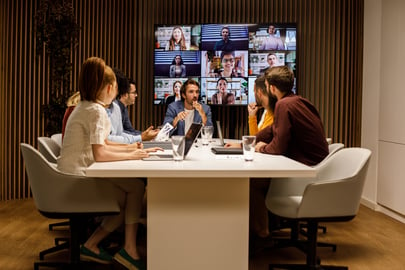
Organizations invest millions in workplace technology, yet the success of a meeting room often comes down to whether it works when people need it to. Every delayed start, dropped call, audio issue, or unsupported user creates frustration, wastes time, and reduces confidence in the workplace experience.
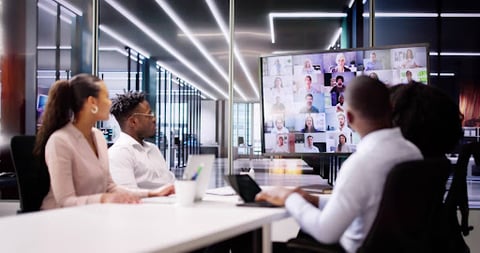
Meeting room downtime is a familiar problem, especially for businesses with hybrid teams. When the technology fails, meetings start late and people lose time. It also makes joining from another location more frustrating than it should be.
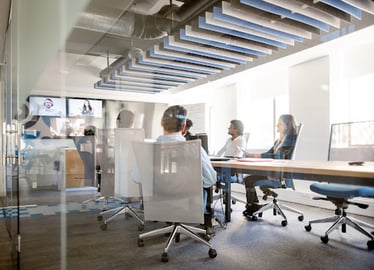
Managing meeting room technology has become more complex as work spreads across multiple offices and locations. Reliable, easy-to-use rooms are part of an impactful workplace experience, helping people connect and collaborate without unnecessary friction.

The pandemic may seem like a dim and distant memory, but it has become a defining marker in terms of economic and social activity. It led to the suspension of travel and live events and ushered in the era of remote and hybrid working on a scale never seen before. But that was then, and things have moved on rapidly in the last couple of years.

Effective collaboration depends on reliable communication. With the workplace now more distributed than ever, having the right tools to enable that communication is essential.

Here at Kinly, we pride ourselves in offering an independent approach when supporting customers with their UCC solutions.
